
Fall in love with your home again
Home Renovation Advice & Inspiration
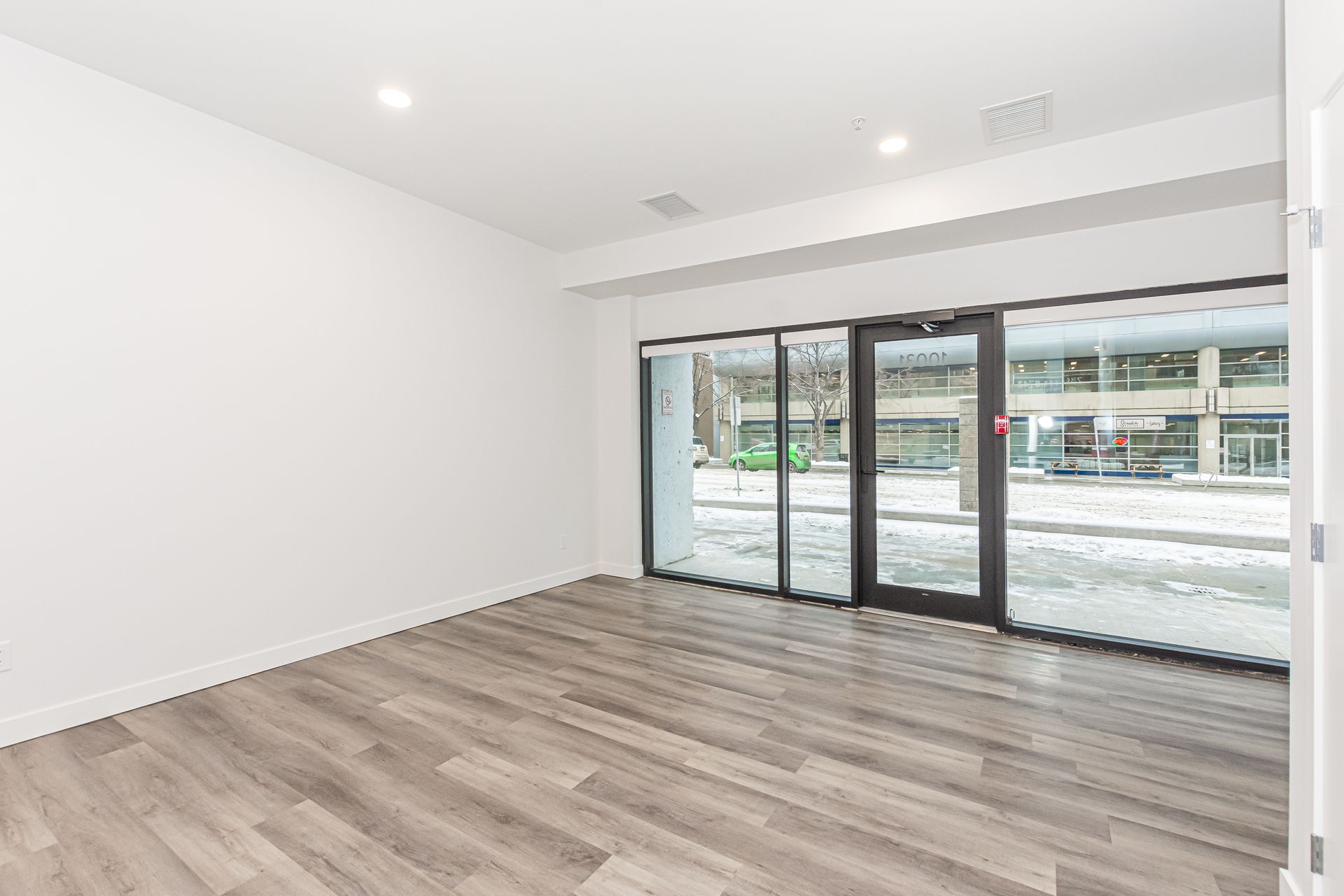
Commercial renovation plays a direct role in how businesses grow, operate, and present themselves to clients. In Alberta, where many companies expand, relocate, or adapt their spaces to changing market conditions, renovation projects are often tied to long-term business planning rather than simple cosmetic updates. A well-executed renovation can support new workflows, improve customer experience, and help meet regulatory or operational requirements. What Is Considered a Commercial Renovation? Commercial renovation includes structural, functional, and aesthetic improvements made to spaces used for business activities. These projects can range from updating interiors and reconfiguring layouts to complete building transformations. Unlike residential work, commercial renovation is usually driven by operational needs, compliance requirements, and long-term business goals. These projects commonly involve offices, retail stores, restaurants, warehouses, industrial units, medical clinics, and child care facilities . Each type of space comes with different standards and expectations. For example, child care centres must meet strict safety, accessibility, and health regulations, while office environments focus on productivity and collaboration. Retail spaces often prioritize customer flow and brand presentation, and industrial properties may require upgrades to support new equipment or production processes. The term also covers upgrades to building systems such as electrical, HVAC, accessibility features, and layout changes that make a space more efficient. In many cases, renovation is not about changing how a space looks but about improving how it functions for staff, clients, and daily operations. Why Businesses Invest in Commercial Remodeling Companies rarely renovate without a clear purpose. In most cases, renovation supports business growth, operational efficiency, or repositioning in the market. As organizations expand, the original layout of a space may no longer support the team structure, workflow, or customer interaction. Remodeling allows businesses to adapt their environment to match current needs. Another common reason is rebranding. When a company updates its identity, the physical space often needs to reflect that change. Modern interiors, improved lighting, and updated materials help reinforce a professional image and create consistency between the brand and the customer experience. This is especially relevant in competitive sectors such as retail, professional services , and healthcare . Commercial remodeling is also driven by regulatory updates and evolving safety standards. Businesses may need to upgrade accessibility, improve ventilation systems, or reconfigure areas to meet new operational requirements. In these cases, renovation becomes a necessary investment rather than an optional improvement. Corporate Office Interior Design as a Driver of Renovation Office design is one of the most common reasons companies initiate renovation projects. As work models change, traditional layouts with fixed workstations are often replaced with flexible environments that support collaboration, hybrid work, and team interaction. Renovation allows businesses to rethink how their teams use space and how the office supports productivity. Corporate office interior design is closely tied to employee experience. Lighting, acoustics, meeting areas, and break zones all influence how people work throughout the day. Many Alberta businesses are shifting toward layouts that support both focused work and teamwork, creating spaces that are adaptable rather than static. These changes often require structural modifications, updated infrastructure, and careful planning to avoid disrupting operations. Design also plays a role in how companies present themselves to clients and partners. A well-planned office communicates stability, professionalism, and attention to detail. In industries where trust and reputation matter, the physical environment becomes part of the overall business positioning.
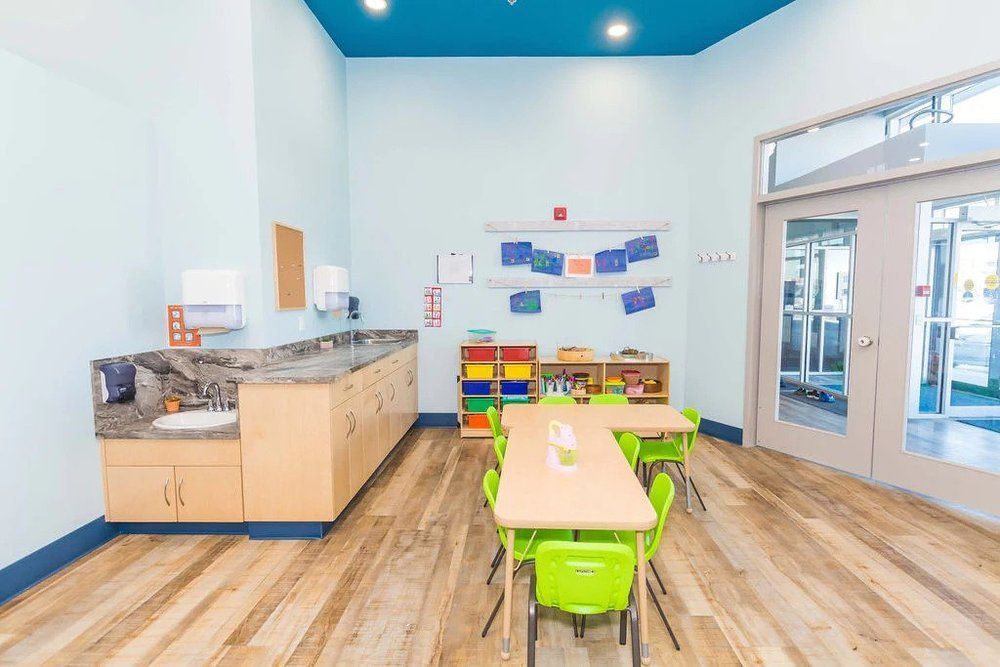
Professional Tenant Improvement Edmonton services for commercial spaces. Key steps, design insights, and contractor guidance.
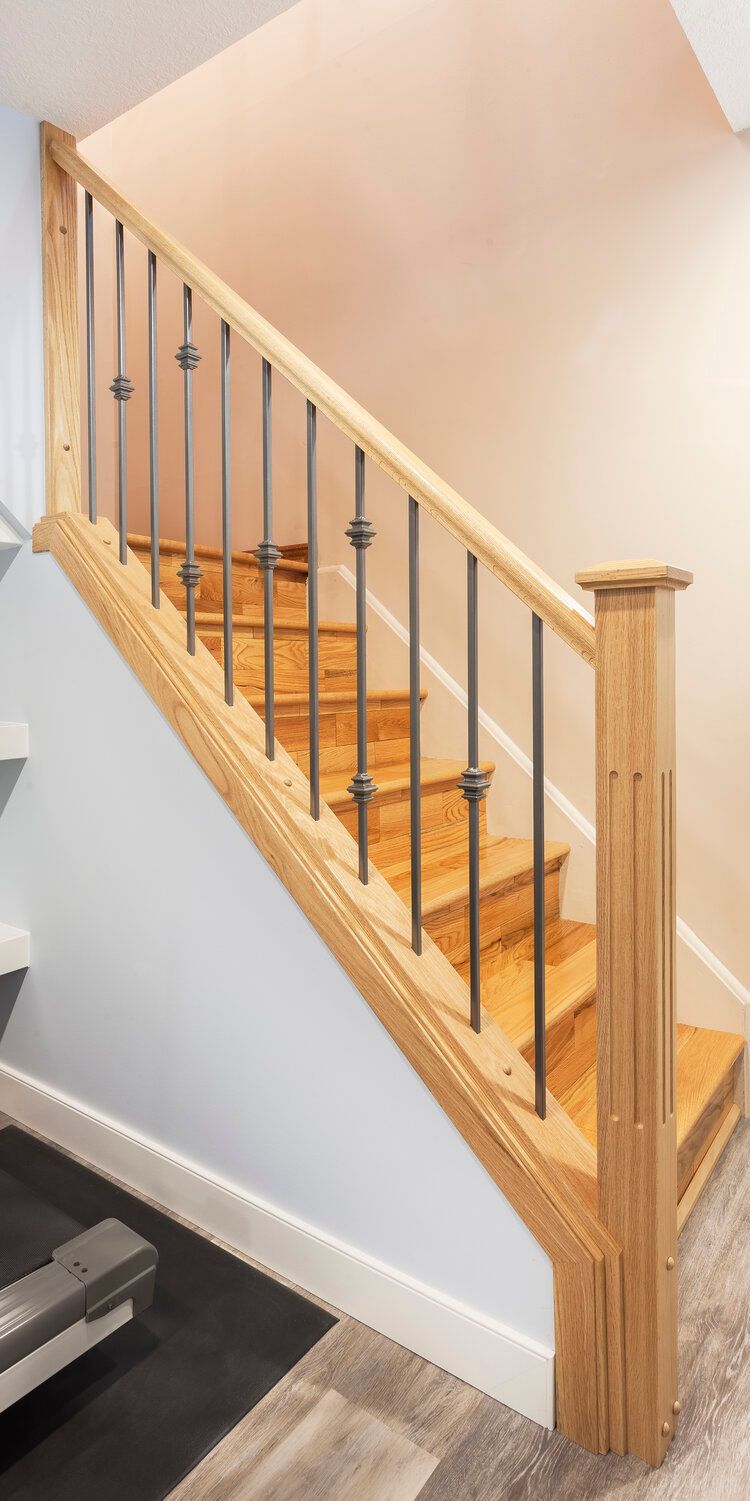
Learn about legal suite renovations in Edmonton & Sherwood Park — costs, permits, and local codes. Start your legal basement suite with expert guidance.
Planning a remodel? Explore where to stay during home renovation to reduce stress and keep your project on track in Edmonton and Sherwood Park.
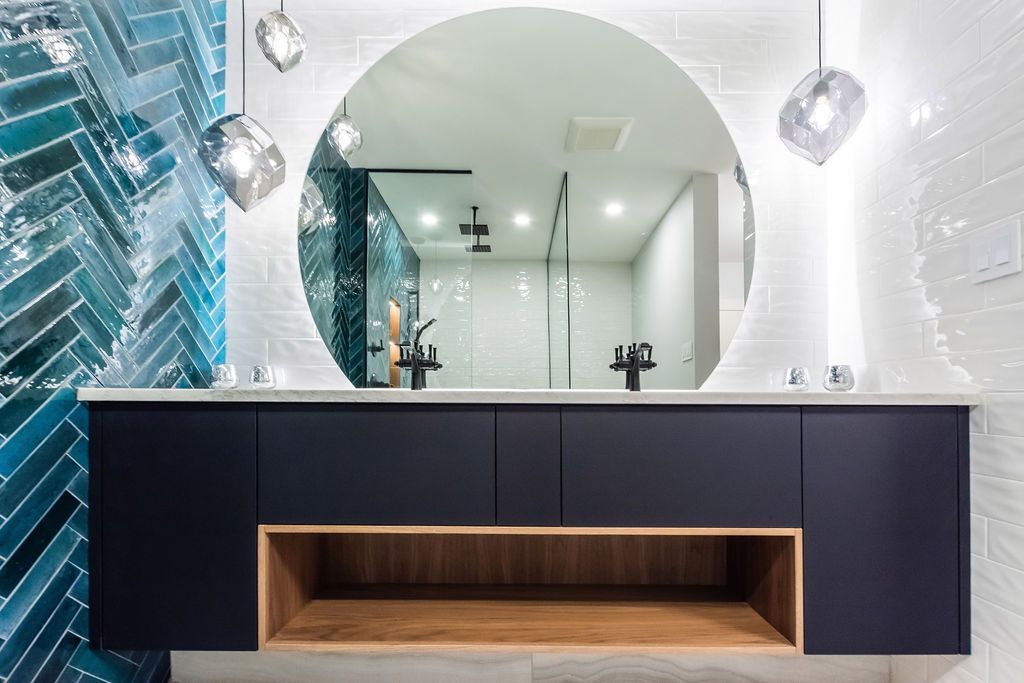
Discover smart small bathroom design, color, and shower ideas to maximize space. Perfect for guest bathrooms and renovation projects.

Bathroom reconstruction ideas, real before-and-after photos, and expert tips. Rebuild your space with functionality, comfort, and style.
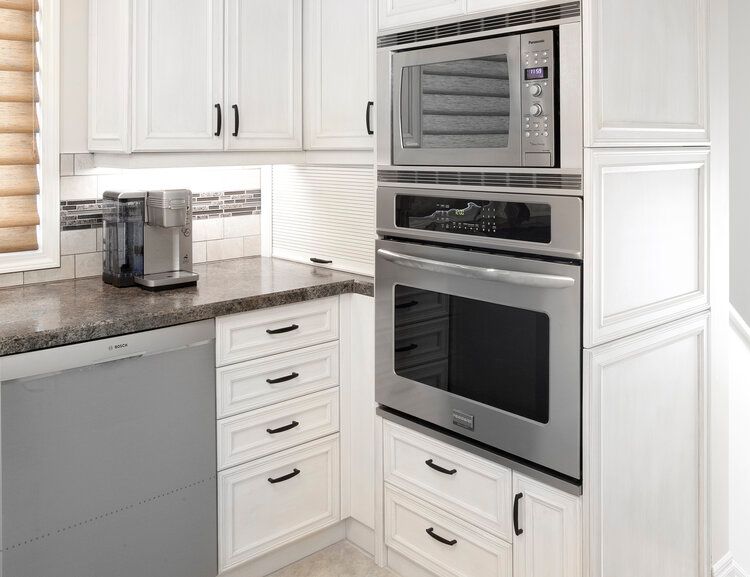
Thinking about a kitchen renovation in Edmonton? Discover what affects the cost and get a free, personalized quote to start planning your dream kitchen.
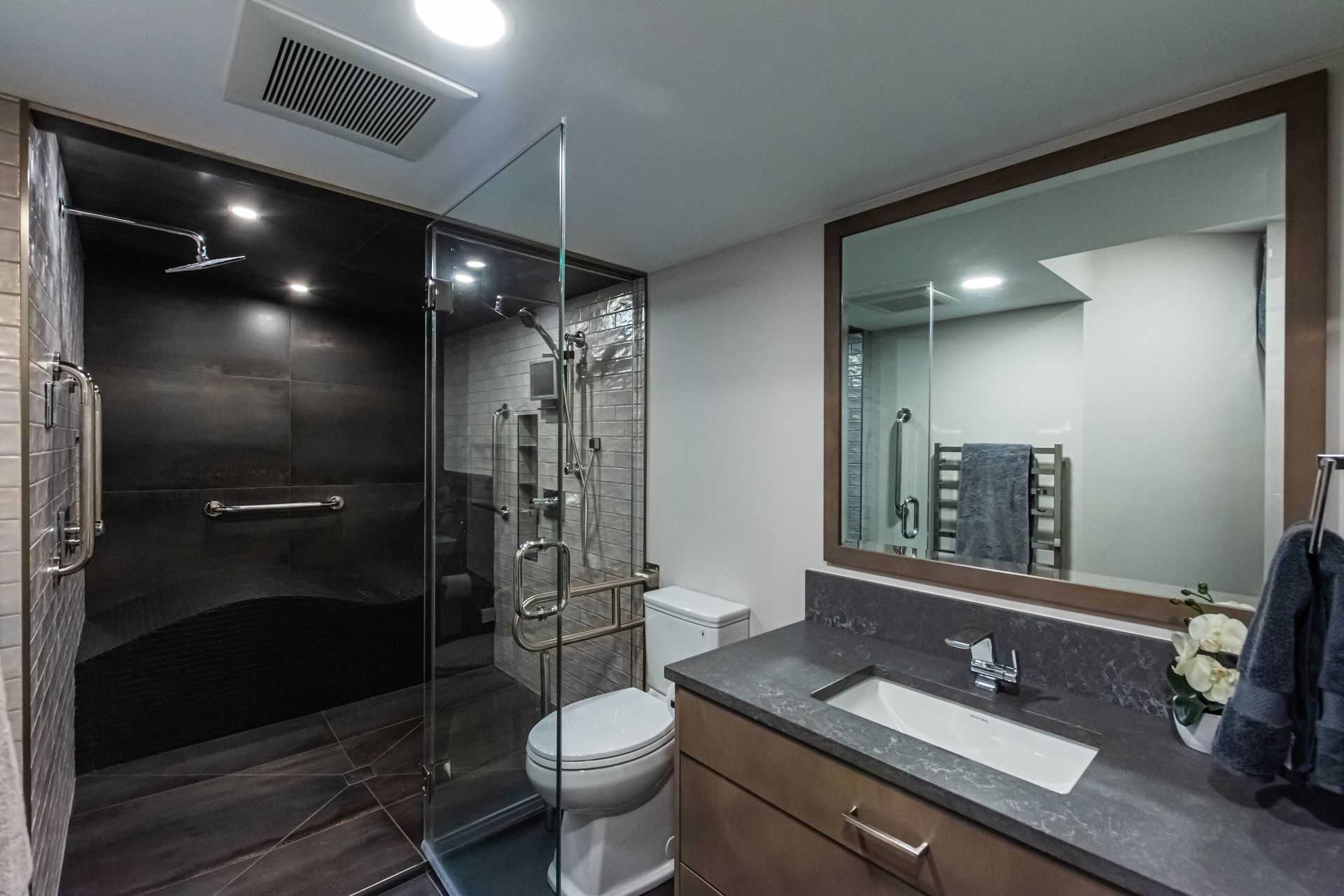
Explore expert-led home improvement in Edmonton. Find trusted contractors, renovation ideas, and cost-effective strategies for residential upgrades.
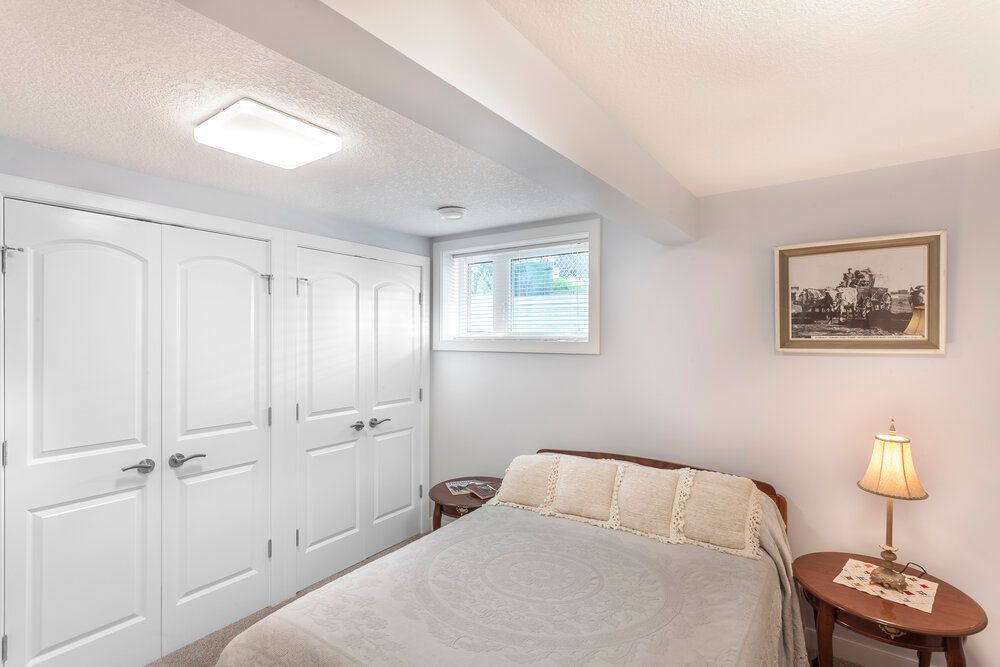
Planning a renovating basement? Learn which permits you need in Edmonton and how to ensure your project is legal, safe, and up to code.
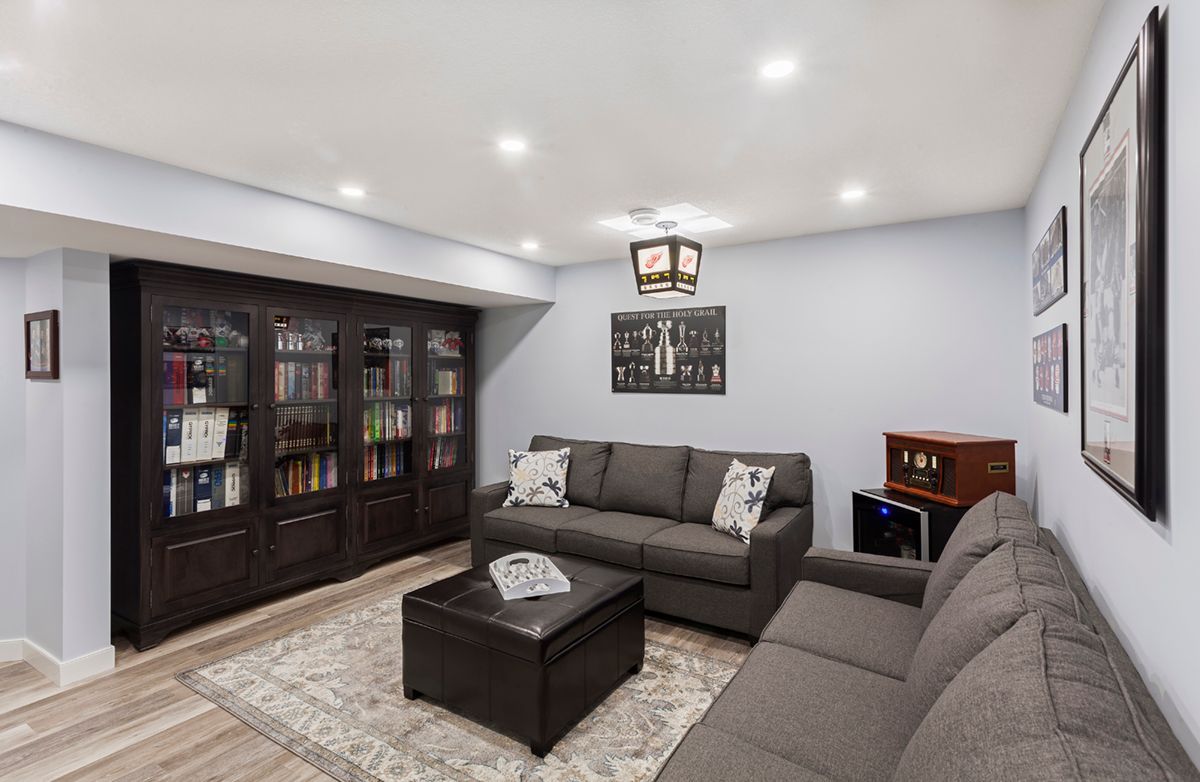
Explore basement renovation ideas, costs, and planning tips for seasonal upgrades. Learn when to renovate and how to make the most of your lower-level space.